
自殺與危機生命線推出後青少年與年輕成人之自殺死亡率
Vishal R. Patel, et al. JAMA. 2026 Apr 22:e265157.
背景
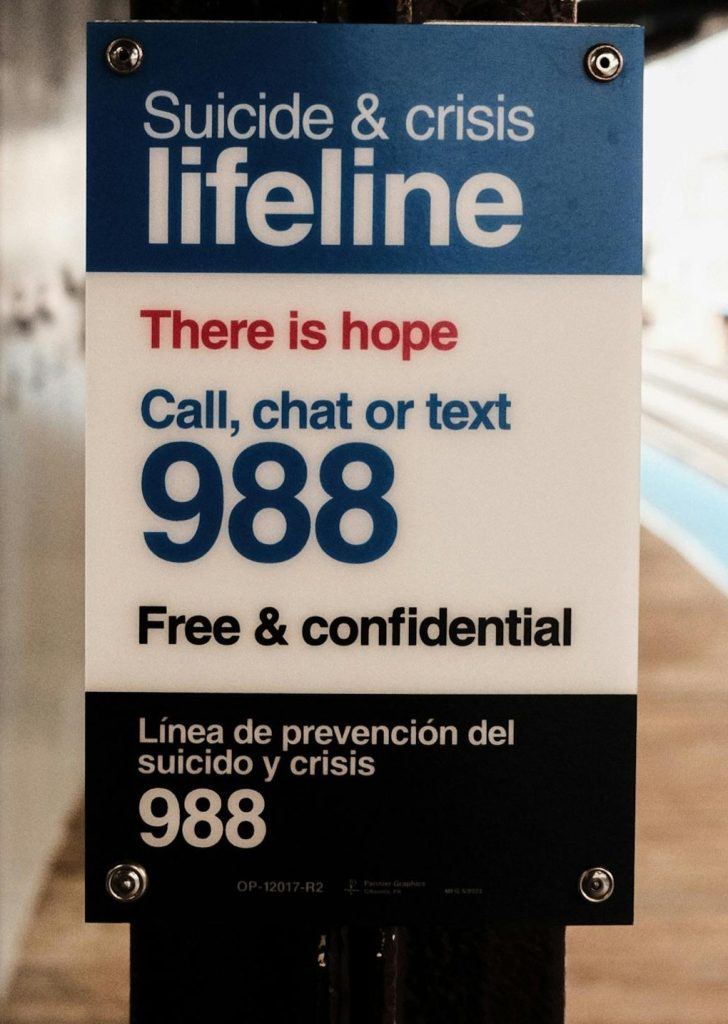
自殺仍然是美國青少年與年輕成人的主要死因之一。 2022年7月,美國推出「988自殺與危機生命線」(988 Suicide and Crisis Lifeline),以三位數電話號碼取代原本的10位數(1-800-273-TALK),並投入超過15億美元以擴大全國危機中心的服務能力與人力。³ 在隨後三年內,該生命線的聯繫次數增加超過兩倍,且青少年與年輕成人的使用比例顯著較高。⁵ 然而,該服務推出後,此族群在整體人口層級的自殺死亡率是否有所改變,仍未明確。
方法
本研究使用國家生命統計系統(National Vital Statistics System)1999年至2024年的資料,分析15至34歲族群的季度自殺死亡率。該系統為涵蓋全美死亡證明的登錄資料庫。自殺死亡以《國際疾病分類第十版》(ICD-10)之死因編碼U03及X60–X84辨識。
研究使用1999年1月至2022年6月的資料,建立在未推出988生命線情況下的預期自殺死亡率模型。並透過考慮長期趨勢與季節變化的季節性自迴歸整合移動平均模型(SARIMA),預測推出後的預期死亡數。
此外,根據物質濫用與心理健康服務管理局(SAMHSA)的州層級988績效報告,依據2024年10月至12月與2022年7月至9月之間每月接聽電話數的相對變化,將各州排序,並針對增幅最大與最小的10州進行分層分析。研究比較2022年7月至2024年12月期間觀察值與預期值的差異。
敏感度分析
進行多項敏感度分析,包括:
-
- 分析65歲以上成人(此族群較少使用988,預期自殺率下降幅度較小)。
- 分析一項不太可能受危機服務影響的死因(惡性腫瘤)。
- 分析英格蘭青少年自殺趨勢(該地區未進行類似危機熱線改革)。
- 排除COVID-19疫情期間(2020–2022)資料後重新建模,以評估疫情是否影響預測結果。
本研究因使用去識別化公開資料,獲Harvard Medical School Institutional Review Board豁免人體研究審查,並遵循STROBE報告準則。所有統計檢定皆為雙尾檢定,顯著水準為α=0.05。
結果
2022年7月至2024年12月期間,全國15至34歲族群的觀察自殺死亡數低於依據過去趨勢預測的預期值。
-
- 實際觀察:35,529例
-
- 預期死亡:39,901例(95% CI:38,924–40,878)
-
- 減少幅度:11.0%(95% CI:8.7%–13.1%)
-
- 減少人數:約4,372人
在州別分析中:
-
- 高使用州(前10州):
電話接聽量增加146.2%(32,635 → 80,338)
自殺死亡下降:−18.2%(95% CI:−21.1% 至 −15.2%)
- 高使用州(前10州):
-
- 低使用州(後10州):
電話接聽量增加23.6%(39,835 → 49,226)
自殺死亡下降:−10.6%(95% CI:−13.2% 至 −7.9%)
- 低使用州(後10州):
兩組之間差異具統計顯著性。
敏感度分析結果
-
- 65歲以上族群下降幅度較小(−4.5%)
-
- 惡性腫瘤死亡率未出現下降
-
- 英格蘭未觀察到類似下降趨勢
-
- 排除疫情資料後結果仍一致
討論
本研究顯示,「988自殺與危機生命線」的推出與青少年及年輕成人自殺死亡率顯著下降相關,且在使用率較高的州效果更為明顯。
此結果與過去質性研究一致,顯示該服務可立即降低來電者的自殺意念。 然而,危機服務的持續可及性仍仰賴長期資金支持,目前估計近一半州的資源仍不足以滿足需求。
此外,針對年輕LGBTQ+族群(約佔來電10%)的專門服務已被取消,可能降低其使用意願。
研究限制
本研究為觀察性研究,無法完全排除以下干擾因素:
-
- 心理健康服務的同期變化
-
- 公眾意識提升
-
- 社會經濟環境變動
此外,高使用州可能同時投入其他心理健康措施,且不同州在988推出前的自殺趨勢亦存在差異,限制了因果推論。
結論
維持並擴展危機服務(包括發展符合發展階段與創傷知情的治療模式)對降低青少年與年輕成人自殺死亡率至關重要。
Commentary: Reassessing the Impact and Future Directions of the 988 Lifeline
By PI-Union Medical Science Ltd., 2026 Apr 28.
The 988 Suicide and Crisis Lifeline was officially launched in July 2022, representing a major policy shift in U.S. suicide prevention through simplified access and expanded crisis response capacity. Emerging evidence suggests that its implementation is associated with a reduction in suicide mortality among adolescents and young adults.
The reported 11% decline in suicide deaths among individuals aged 15–34 years—corresponding to over 4,000 fewer deaths—is substantial. However, the study’s focus on this age group warrants further discussion. While adolescents and young adults are high users of crisis services, restricting analysis to ages 15–34 limits understanding of broader population effects. Future research should extend analyses across the lifespan and adopt more granular age stratification to identify differential impacts among children, middle-aged, and older adults.
The greater reduction observed in states with higher 988 utilization suggests a potential dose-response relationship, although causality remains uncertain due to the observational design and possible confounding factors, including differences in mental health infrastructure and concurrent interventions.
Beyond methodological considerations, the findings raise important implications in the context of modern communication patterns. In an era characterized by rapid expansion of artificial intelligence (AI) and pervasive social media use, direct interpersonal interaction is declining. For younger generations, seeking help through mediated channels—such as phone, text, or digital platforms—may be more acceptable and accessible than traditional face-to-face services.
However, it is important to note that in the United States, 988 remains primarily a telephone-based crisis lifeline rather than a fully integrated digital service system. From a policy perspective, this highlights an opportunity for further evolution. In Taiwan, where telephone lifeline (e.g. 1995 and 1925) services have long been established, future development should move beyond voice-based systems toward comprehensive digital platforms, including online chat, mobile applications, and AI-assisted support. Such expansion would better align with the communication preferences and help-seeking behaviors of younger generations.
In conclusion, while the 988 Lifeline shows promising early impact, its long-term effectiveness will depend on sustained investment, broader population coverage, and the ability of crisis intervention systems to evolve alongside changing communication ecosystems.
Reference: Suicide Mortality Among Adolescents and Young Adults After Launch of a Suicide and Crisis Lifeline
Reviewer: PI-Union Medical Science Ltd.
-
- E-mail: piunion@pi-union.com
-
- Official Website: https://pi-union.com/
-
- Facebook: www.facebook.com/piunion2020
-
- Youtube: www.youtube.com/@pi-union
-
- Instagram: www.instagram.com/piunion2020
-
- LINE: @654eukag